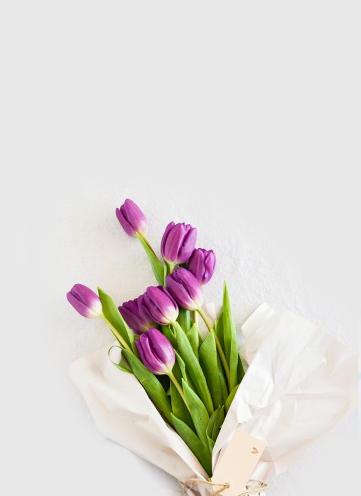
Best wedding florists around Berkeley Square, Mayfair
Posted on 28/04/2026
Best Wedding Florists Around Berkeley Square, Mayfair
Planning wedding flowers around Berkeley Square in Mayfair is one of those jobs that looks simple from the outside, then suddenly becomes very detailed very quickly. You are not just choosing a pretty bouquet. You are matching a venue, a dress code, a season, a colour palette, a delivery window, and often a rather tight set-up schedule. In an area like Mayfair, where presentation matters and timings can be unforgiving, the best wedding florists around Berkeley Square, Mayfair are the ones who combine design taste with calm, reliable execution.
This guide walks you through how to choose well, what to expect, what usually goes wrong, and how to get flowers that look elegant in real life, not just in a mood board. Along the way, you will also find practical links to useful services such as wedding flowers in Mayfair, a trusted local florist in Mayfair, and local flower delivery if you need supporting arrangements for the day.
Truth be told, the right florist does more than "arrange stems". They reduce stress, keep the look cohesive, and make sure the flowers still feel fresh when the camera shutters start clicking. And yes, that matters more than people admit.
Why Best wedding florists around Berkeley Square, Mayfair Matters
Berkeley Square sits at the heart of Mayfair, and that location creates a specific kind of floral brief. Weddings here often lean elegant, polished, and high-touch. Whether you are marrying nearby, hosting a reception in a nearby townhouse, or arranging flowers for a luxury hotel or private dining room, your florist is part of the overall impression guests remember.
The flowers are not background noise. They affect how the room feels when you enter it. They appear in photos, tie together the ceremony and reception spaces, and help make even a simple palette feel considered. In a place like Mayfair, where surroundings already feel refined, flowers need to meet that standard without becoming overworked or fussy.
A strong florist also understands the practical side. Delivery access in central London can be awkward, loading bay times can be limited, and final placement may need to happen quickly and quietly. That is where local knowledge becomes valuable. A florist familiar with Mayfair knows that even a beautiful design can become a headache if it arrives late or is built without the venue flow in mind.
There is also an emotional side to this. Wedding flowers often carry family meaning, cultural symbolism, or seasonal preference. Some couples want classic white roses and lilies, while others ask for richer tones, garden-style texture, or a more modern mixed arrangement. The best florists listen first. Then they design.
If you are still mapping the wider occasion needs, it can help to browse the broader flower shops in Mayfair and compare them with specialist wedding-focused options. That gives you a clearer sense of what is bespoke, what is ready-to-order, and what is realistically available on your wedding timeline.
How Best wedding florists around Berkeley Square, Mayfair Works
Good wedding floristry is usually a sequence, not a single purchase. It starts with a short consultation, moves into design choices, and ends with delivery, installation, and sometimes on-site touch-ups. The best results usually come from a florist who treats that sequence as part of the service rather than an afterthought.
1) Initial brief and inspiration
You share the basics: date, venue, guest count, dress style, colours, and any flowers you love or dislike. If you already know the feel you want, say so. For example, "soft and romantic", "clean and architectural", or "luxury but not overblown" are all useful starting points. If you do not know, that is fine too. A good florist can work from a few practical cues instead of a complete Pinterest board.
2) Flower selection and palette planning
Florists will usually recommend flowers based on seasonality, structure, and longevity. Roses, orchids, hydrangeas, lilies, alstroemeria, carnations, germini, and chrysanthemums all appear frequently in wedding work because they can be adapted to different styles. For romantic wedding palettes, roses and lisianthus are classic; for a cleaner contemporary look, whites, greens, and orchids often work beautifully.
You can also think in collections. If you want a ready-made framework, the curated weddings collection and supporting pieces such as bridal bouquets, bridesmaid bouquets, buttonholes, and table arrangements can help you build a coherent floral story without starting from scratch.
3) Budget alignment
Budget shapes design more than most couples expect. A florist can often adjust scale, stem choice, and mechanics to keep the look premium while staying sensible. That might mean using fewer premium blooms in a stronger structural design, or mixing focal flowers with supporting stems to create volume where it matters most.
4) Production and conditioning
Once approved, flowers are ordered and conditioned. This means trimming, hydrating, and storing them properly so they are in the best state on the day. It sounds unglamorous, but it is where a lot of the quality lives. A bouquet that has been treated carefully will hold shape better, smell fresher, and last through the event with less drama.
5) Delivery and setup
In Berkeley Square and central Mayfair, timing is often the critical bit. Flowers may need to arrive after ceremony space access opens, but before guests begin to arrive. Sometimes they need to be moved between ceremony and reception venues in a very tight window. A florist used to local logistics plans around that. No guessing, no wandering about in a side street with a boot full of stems.
6) Final styling
Finally, the flowers are placed in context. A good florist thinks about sightlines, table height, candle placement, and how florals interact with linen, glassware, signage, and lighting. That final layer is what makes arrangements feel expensive in the right way.
Key Benefits and Practical Advantages
Choosing carefully brings benefits that go beyond aesthetics. The best wedding florists around Berkeley Square, Mayfair can genuinely make the day easier.
- Consistency across the day: bouquets, buttonholes, ceremony arrangements, and reception pieces feel like one design rather than separate purchases.
- Better local timing: a florist who understands Mayfair can work around access, parking, and venue rules more smoothly.
- Season-aware design: using flowers that are at a sensible point in the season usually improves appearance and longevity.
- Reduced stress: fewer last-minute decisions, fewer awkward substitutions, fewer "will it arrive?" conversations.
- Better photos: well-chosen florals photograph cleanly and flatter the venue without overpowering it.
- Flexible styling: from romantic pastel bridal work to formal white-and-green arrangements, good florists can adjust tone without losing quality.
One small but important advantage is that a skilled florist can help you avoid overbuying. Many couples assume more flowers automatically mean a better result. Not always. Sometimes the most elegant weddings in Mayfair are the ones where every arrangement earns its place.
If you are balancing wedding flowers with other gifting needs during the planning period, you may also find the wider best flower delivery options in Mayfair useful for pre-wedding or post-wedding occasions. And if you need a small emergency delivery while final plans shift, same-day flower delivery can be a lifesaver. Not ideal to rely on it, but handy when needed.
Who This Is For and When It Makes Sense
This topic is not only for couples with a full-scale luxury wedding. It is relevant to anyone hosting a wedding-related event in or around Berkeley Square.
- Couples marrying in Mayfair: especially if the venue is formal, intimate, or design-led.
- Planners and coordinators: who need reliable floral suppliers that can deliver to central London without fuss.
- Families organising celebrations: where flowers need to be respectful, stylish, and workable within a budget.
- Couples with mixed priorities: perhaps one person wants statement florals and the other wants practical value. Happens all the time.
- People seeking reception-only flowers: sometimes the ceremony is simple, but the dinner and table styling carry the design.
It makes sense to invest in a specialist when the flowers need to do more than "look nice". If they need to reflect the venue, support photos, or coordinate across multiple spaces, a wedding florist is not a luxury extra. It is part of the event planning structure.
For couples who prefer low-fuss ordering, a florist may also suggest ready-designed pieces from the broader Mayfair range. That can include simpler bouquets or complementary gifts from the all flowers range, or more specific styles like roses and lilies if the wedding concept is more traditional.
Step-by-Step Guidance
Here is a practical way to approach wedding florals around Berkeley Square without getting overwhelmed.
- Start with the venue and the day's flow. Where are the ceremony, photos, and reception taking place? If there are multiple locations, tell the florist early.
- Choose the emotional tone first. Romantic, modern, classic, relaxed, high-luxury, seasonal, or church-style. This guides everything else.
- Set a realistic floral budget. Be candid. A good florist can do more with a clear number than with a vague "let's keep it sensible".
- Pick your key items. Usually bridal bouquet, bridesmaid bouquets, buttonholes, ceremony pieces, and table arrangements. Then decide whether corsages or gift flowers are needed.
- Confirm colour palette and flower preferences. If there are flowers you love, say so. If you dislike strongly scented blooms, mention that too.
- Ask about seasonality and substitutions. This matters in the UK, where availability changes throughout the year.
- Clarify delivery and set-up details. Times, access codes, venue contact, who receives the flowers, and what happens if plans shift.
- Review the final proposal carefully. Check item quantities, sizes, and whether installation or breakdown is included.
- Lock in a backup plan for delicate items. Weather, traffic, and venue timing can all affect the day. A florist should have a contingency approach.
A useful rule: if you cannot explain the floral plan in one minute, it is probably too complicated. That does not mean the design should be simple. It means the structure should be clear.
Expert Tips for Better Results
Small decisions make a big difference in wedding floristry. These are the kinds of details experienced florists pay attention to automatically.
Match scale to the room, not just the bouquet
A bouquet can be beautiful and still wrong for the setting if it is too small or too heavy. Berkeley Square venues often have elegant proportions, so the flowers should feel balanced with the architecture and furnishings. A tiny arrangement can disappear; an oversized one can feel a bit theatrical in the wrong way. Not ideal.
Ask for a palette with one dominant note
Instead of asking for "everything soft and pastel", choose one dominant family: blush, white, lilac, ivory, peach, or mixed colour. Then let the florist build texture around it. That tends to create more cohesion.
Use scent thoughtfully
Scent can be lovely, but in enclosed spaces or during long receptions, it can become distracting. If guests are seated close together, you might prefer lightly scented or low-scent flowers. A florist can help balance this, especially if you are using lilies, roses, or strongly perfumed varieties.
Keep the bouquet comfortable
It sounds obvious, but heavy bouquets are hard to carry in a fitted dress for several hours. Ask to see size references, or request a slightly lighter hand-tied shape if comfort matters.
Think about the afterlife of the flowers
Some couples want flowers that can be taken home, donated, or repurposed the next day. That is worth planning. Ask whether the florist can design pieces that transfer neatly from ceremony to dinner, or suggest keepsake options.
A quick but helpful thought: if a florist makes everything sound easy, that is usually a good sign. Wedding flowers are a moving target. Calm expertise matters more than fancy language.
Common Mistakes to Avoid
Most floral problems are avoidable. They usually come from rushing, vague briefs, or underestimating logistics.
- Booking too late: especially in peak wedding season. Good florists get busy early.
- Being too vague: "nice and elegant" is fine as a starting point, but not enough on its own.
- Ignoring the venue: flowers that look great in a showroom may not work in a Mayfair room with low tables or strong lighting.
- Overcomplicating the palette: too many colours can muddy the final look.
- Forgetting delivery access: central London is not the place to discover a loading restriction at the last minute.
- Choosing flowers only from a photo: seasonal substitution is normal, so ask what the florist would use if a particular stem is unavailable.
- Skipping written confirmation: always useful for times, quantities, and responsibilities.
One more common issue: trying to make every floral element "special". That can backfire. A well-edited plan usually looks more luxurious than a packed one. Less clutter, more rhythm.
Tools, Resources and Recommendations
You do not need a giant planning system, but a few practical tools make the process easier.
- A mood board: screenshots, fabric swatches, and venue photos are enough.
- A short flower preference list: flowers you love, flowers you dislike, and any allergies or scent concerns.
- A day-of contact sheet: florist, planner, venue manager, best man or maid of honour, and whoever can sign off if needed.
- Photos of the ceremony space: especially useful for sizing table pieces and checking backdrop proportions.
- A realistic delivery plan: if your day is tight, ask about delivery arrangements and how the florist handles access in central London.
For flower care after arrival, it is worth reading the practical flower care guidance. Even a beautiful bouquet benefits from a little attention: fresh water, a cool space, and careful handling during the final prep window.
And if you want to understand the florist's reliability before ordering, their guarantees, about us page, and contact options can all help you judge responsiveness. In wedding planning, responsiveness is not a small thing. It is the thing.
Law, Compliance, Standards, or Best Practice
Wedding floristry is not heavily regulated in the way some other services are, but there are still sensible standards and best practices that matter in the UK.
First, a florist should be clear about terms, payments, delivery conditions, and refund or substitution policies. That is standard good practice, especially for bespoke weddings where timings and supply can change. Reading the terms and conditions and returns and refund information before you pay is simply sensible.
Second, data handling matters. If you are sharing personal contact details, event addresses, and special instructions, the business should have a clear privacy policy. That is especially useful when the wedding involves multiple venues, planners, or third-party coordinators.
Third, sustainability and sourcing are increasingly part of good practice. You do not need to make your wedding "perfect" on every environmental measure, but you can ask practical questions about packaging, waste, and seasonal sourcing. A florist with a sensible sustainability approach is usually thinking more carefully about supply and materials, which is good for quality too.
Accessibility is another issue people forget. If your venue has limited access, stairs, or timing restrictions, the florist should be able to plan around that professionally. Likewise, their own website and communication materials should be easy to use. A clear accessibility statement is a good sign that the business takes inclusion seriously.
Finally, if you are commissioning a large wedding order, payment clarity matters. Ask how deposits work, what the balance schedule looks like, and which payment methods are accepted. That avoids awkward surprises later.
Options, Methods, or Comparison Table
Different couples need different floral approaches. Here is a practical comparison to help you narrow the field.
| Approach | Best for | Strengths | Trade-offs |
|---|---|---|---|
| Bespoke wedding florist | Full-service weddings, venue styling, custom palettes | Highly tailored, strongest design control, better for complex logistics | Usually needs more lead time and a clearer budget |
| Ready-made wedding collection | Couples who want a coordinated look fast | Quicker to choose, easier to budget, less decision fatigue | Less room for deep personalisation |
| Hybrid approach | Couples wanting bespoke hero pieces with simpler supporting flowers | Good value, still feels premium, flexible | Needs careful planning so the mix feels intentional |
If your wedding is intimate and the budget is focused, a hybrid plan can be the sweet spot. For example, one striking bridal bouquet, matching bridesmaid flowers, and simple but elegant table arrangements may feel more polished than trying to spread the budget thinly across too many elements.
You can also compare bouquet styles by mood. For instance, lighter romantic designs often sit well beside pieces like a pure romance bridal bouquet, while a more structured, elegant feel may suit something from the Royal Essence wedding collection. If you want a softer contemporary look, SI bridal bouquet and SI bridesmaid bouquet styles are worth reviewing.
Case Study or Real-World Example
Picture a small wedding near Berkeley Square on a late spring Saturday. The couple wants a formal ceremony, a relaxed dinner, and flowers that feel elegant without drifting into old-fashioned territory. They love white, blush, and soft green, but they do not want the room to feel too "hotel lobby". Fair enough.
The florist starts with a compact bridal bouquet, two bridesmaid bouquets, buttonholes for the wedding party, and several low table pieces for the reception. Instead of using one big statement arrangement at the entrance, they split the budget into the spaces guests actually move through. That means the venue feels polished from the moment people arrive.
Because delivery access is tight, the florist pre-briefs the venue contact, arrives in a narrow window, and keeps installation simple. The result is not flashy. It is better than flashy. It is calm, balanced, and comfortable.
What made the difference? A few things:
- The brief was specific but not overcomplicated.
- The palette was limited to three main tones.
- The florist planned for the venue layout, not just the bouquet photo.
- The couple approved the final plan early, so no last-minute panic.
That is often how the best weddings work. Not because every detail is dramatic, but because the details quietly fit together.
Practical Checklist
Use this checklist before you confirm a florist around Berkeley Square.
- Have you confirmed the wedding date and venue access times?
- Do you know the exact number of bouquets, buttonholes, and table pieces needed?
- Have you chosen a clear colour palette?
- Have you shared flowers you love, dislike, or want to avoid for scent reasons?
- Is there a written proposal or order summary?
- Have you asked about seasonal substitutions?
- Do you know whether delivery, setup, and collection are included?
- Have you checked the florist's care guidance and guarantees?
- Is there one person who will receive the flowers on the day?
- Have you kept the florist's contact details handy for the week of the wedding?
If you can tick most of these off, you are in good shape. If not, no drama. Just fill the gaps before you pay the final balance.
Conclusion
The best wedding florists around Berkeley Square, Mayfair are the ones who understand both beauty and logistics. They know how to design flowers that suit the mood of the day, but they also know how to deliver, set up, and adapt within the realities of central London. That combination is what saves stress and lifts the whole event.
If you are comparing options, stay focused on three things: design quality, reliability, and clarity. A florist who listens well, answers plainly, and respects the venue's practical needs is often the safest and smartest choice. Add in seasonal knowledge, a coherent style, and sensible communication, and you are well on your way.
And honestly, once the flowers are in place and the room starts to feel like your day, a lot of the planning noise disappears. That is the bit people remember.
Get a free quote today and see how much you can save.